Get Heat Tape Installation
Heat tape installation services help property owners prevent ice buildup and pipe freezing on roofs, gutters, and walkways by connecting them with experienced local contractors.
Heat tape installation services provide an effective solution for property owners looking to prevent ice buildup and protect walkways, driveways, and roofs during colder months. If maintaining safe and accessible outdoor areas is a priority, exploring local contractors who specialize in heat tape setup can be a practical step. These professionals can help assess specific needs, plan appropriate installations, and ensure the work is completed effectively, giving property owners peace of mind as winter approaches.
Considering the variety of options available among local service providers can help property owners find the right fit for their project. Comparing different contractors’ experience and offerings allows for a clearer understanding of what solutions are available to meet individual property requirements. Continuing to explore these options can lead to a well-informed decision that supports ongoing property maintenance and safety.
- Residential properties - homeowners may need heat tape installation to prevent pipes from freezing during cold weather.
- Commercial buildings - business owners might require heat tape to ensure continuous operation of critical plumbing systems.
- Garages and workshops - these spaces often need heat tape to protect pipes and prevent damage in unheated areas.
- Outdoor pipes and faucets - outdoor plumbing fixtures may need heat tape to prevent freezing and bursting in winter.
- Unheated storage units - storage spaces that lack heating might benefit from heat tape to safeguard plumbing infrastructure.
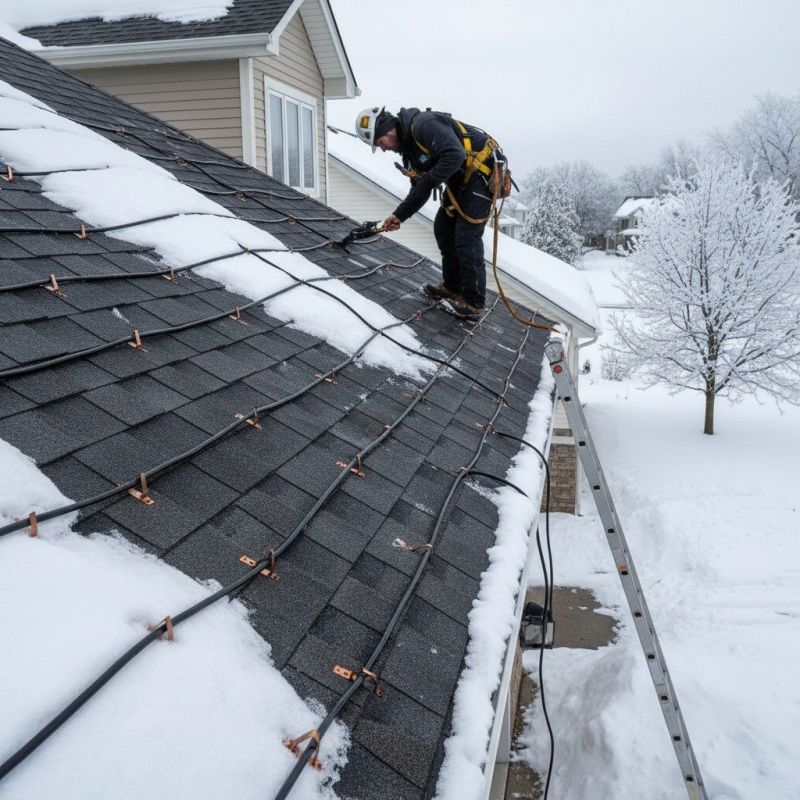
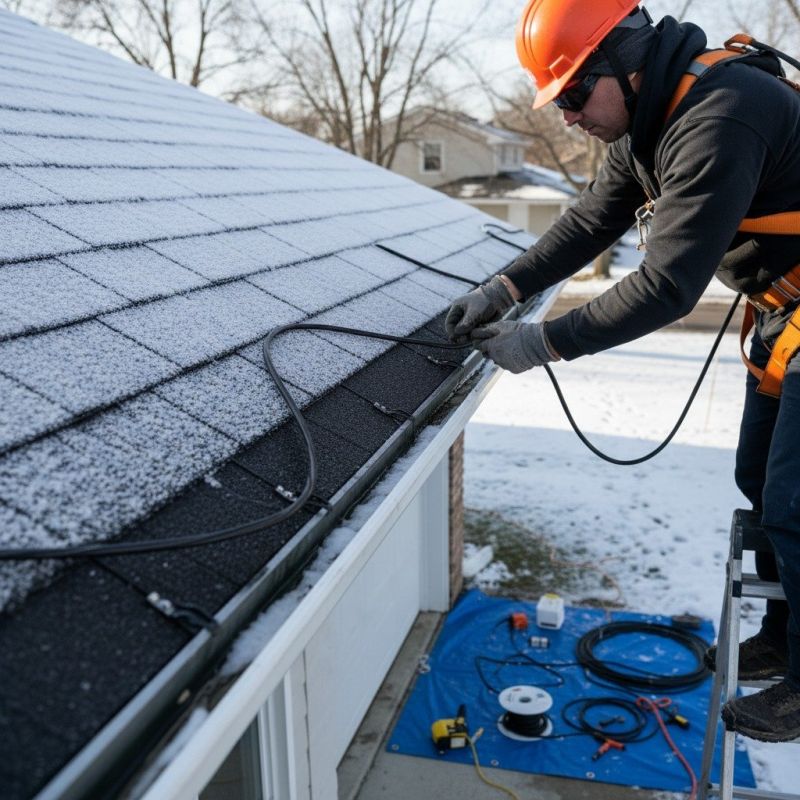
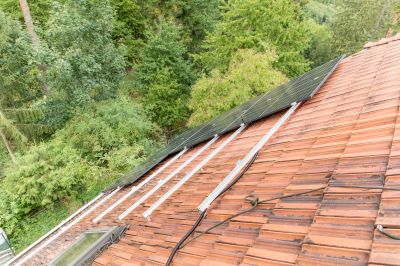
Heat tape installation services involve the careful placement of electrical heating cables along areas prone to freezing or ice buildup. These systems are designed to provide consistent, controlled heat to prevent the formation of ice on surfaces such as walkways, stairs, driveways, and roof edges. The installation process typically includes assessing the property’s specific needs, laying out the heating cables, and connecting them to a power source. This service ensures that the heat tape is properly secured and functioning efficiently, helping to maintain safe conditions during cold weather.
One of the primary problems heat tape installation helps to solve is ice accumulation, which can create hazardous conditions for residents and visitors. Ice and snow buildup on walkways and stairs can lead to slips and falls, increasing the risk of injury. Additionally, ice dams on roofs can cause water damage and leaks inside the property. By installing heat tape in targeted areas, property owners can effectively reduce or eliminate these issues, ensuring safer outdoor surfaces and protecting the structural integrity of the building.
Heat tape is commonly used on residential properties, especially those in regions with harsh winter weather. Homeowners with long driveways, steep stairs, or roofs that are prone to ice dams often seek this service. It is also frequently installed on commercial properties, such as apartment complexes, retail stores, and office buildings, where safety and property maintenance are priorities. Properties with older infrastructure or those located in colder climates tend to benefit most from heat tape systems, as they help prevent costly repairs and reduce the need for manual snow and ice removal.
When considering heat tape installation, it is important for property owners to understand when this service might be necessary. Signs include recurring ice buildup, frequent slipping hazards, or ice dams forming on the roof. If outdoor surfaces remain icy despite shoveling or salting efforts, or if ice causes damage to the property’s exterior, connecting with local service providers can help address these issues effectively. These professionals can evaluate the property’s needs and recommend the appropriate heat tape solutions to improve safety and reduce winter-related problems.
The overview below groups typical Heat Tape Installation projects into broad ranges so you can see how smaller, mid-sized, and larger jobs often compare in your area.
In many markets, a large share of routine jobs stays in the lower and middle ranges, while only a smaller percentage of projects moves into the highest bands when the work is more complex or site conditions are harder than average.
Smaller Repairs - Typical costs for small heat tape installation projects, such as fixing a single pipe or a small area, generally range from $250 to $600. Many routine jobs fall within this middle range, depending on the complexity and length of the area needing coverage.
Standard Installation - For standard heat tape installation on multiple pipes or larger areas, local service providers often charge between $600 and $1,500. This is a common price range for most residential projects of moderate size.
Full System Replacement - Replacing an entire existing heat tape system or installing a comprehensive setup can cost between $1,500 and $3,500. Larger, more complex projects, especially those involving custom wiring or extensive coverage, can push costs higher.
Large or Complex Projects - Extensive installations, such as commercial or multi-zone systems, can reach $5,000 or more. These projects are less common and typically involve specialized equipment and advanced setup requirements.
Actual totals will depend on details like access to the work area, the scope of the project, and the materials selected, so use these as general starting points rather than exact figures.
Roof Ice Dam Prevention - installing heat tape along roof edges to prevent ice dams requires similar planning and wiring skills as heat tape installation for pipes.
Pipe Insulation and Protection - applying heat tape to prevent pipe freezing involves comparable techniques and understanding of electrical heating elements.
Gutter Heating Solutions - installing heating cables in gutters to prevent ice buildup shares tools and planning considerations with heat tape projects.
Outdoor Electrical Heating Cables - setting up cables for snow melting or de-icing walkways involves similar wiring and safety measures as heat tape installation.
Foundation Wall Heating Systems - integrating heating elements into foundation walls to prevent frost damage requires similar electrical and planning skills.
Solar-Powered Heating Systems - installing solar-powered heating solutions for outdoor areas involves planning and wiring skills comparable to heat tape setup.
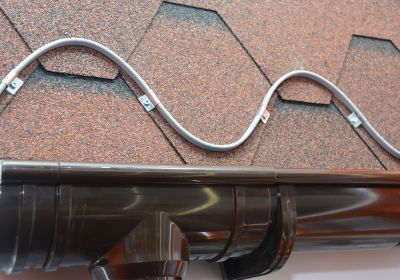
When comparing local contractors for heat tape installation, it’s important to consider their experience with similar projects. Homeowners should seek out service providers who have a proven track record of successfully completing heat tape or related snow-melting systems in residential settings. An experienced contractor is more likely to understand the nuances of different roof types, insulation conditions, and wiring requirements, which can help ensure the installation is performed safely and effectively.
Clear written expectations are a key factor when evaluating potential service providers. Homeowners should look for contractors who can provide detailed descriptions of the work scope, materials to be used, and any relevant warranties or guarantees. Having a thorough, written outline helps prevent misunderstandings and ensures that both parties are aligned on what the project entails, leading to a smoother process and better results.
Reputable references and good communication are essential when choosing a local service provider. Homeowners are encouraged to ask for references from previous clients or check reviews to gauge the contractor’s reliability and quality of work. Additionally, responsive and transparent communication from the contractor can make the process more straightforward, allowing homeowners to ask questions, clarify details, and feel confident in their choice. The site connects homeowners with local pros who can handle the work, but it does not perform the installation itself.
Property owners use Heat Tape Installation services for practical projects around their homes and businesses. This guide focuses on everyday jobs and straightforward project options.
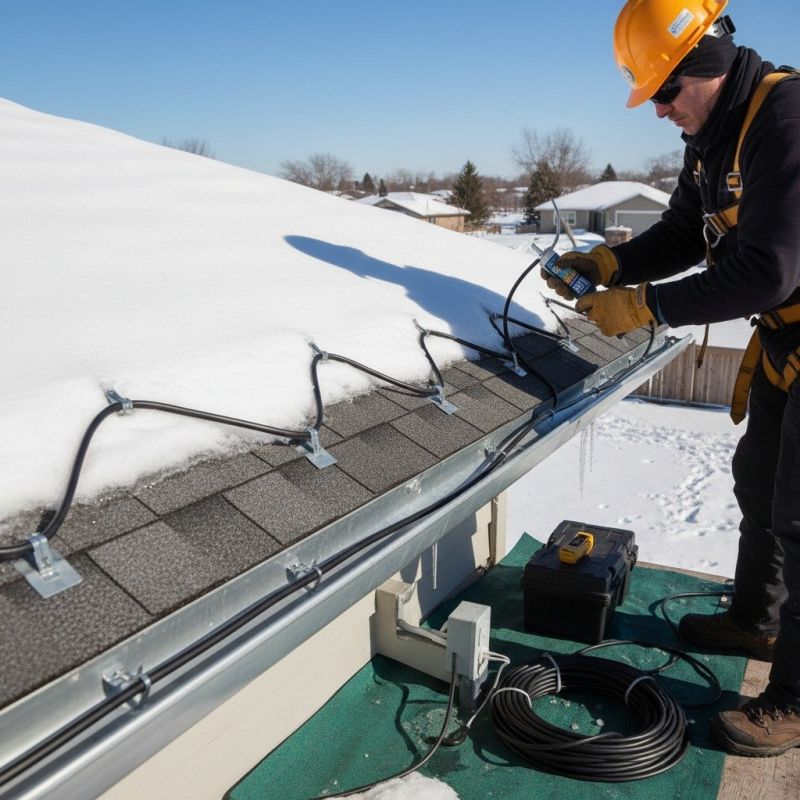
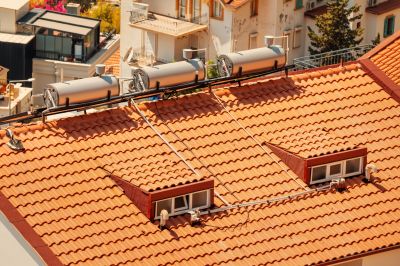
Heat tape installation services are often sought after by property owners dealing with winter-related challenges. For example, those with walkways, driveways, or stairs may want to prevent ice buildup and ensure safe access during cold months. Additionally, homeowners with pipes running through unheated spaces might look for heat tape solutions to avoid freezing and potential pipe bursts, which can lead to costly repairs.
Local contractors who specialize in heat tape installation can help address these everyday concerns efficiently. Whether it's installing heat tape on gutters to prevent ice dams or securing it along vulnerable pipes, these service providers offer practical solutions to keep properties safe and functional during the colder seasons. Connecting with experienced local pros can make managing winter-related issues more manageable and less stressful.
What is heat tape installation used for? Heat tape installation is typically used to prevent pipes from freezing and to keep walkways safe during cold weather by providing supplemental heat.
How do local contractors install heat tape? Contractors usually assess the area, select the appropriate heat tape type, and securely install it along pipes or surfaces requiring protection.
Can heat tape be installed on different types of pipes? Yes, local service providers can install heat tape on various pipe materials, including plastic and metal, to suit different plumbing needs.
Is professional installation necessary for heat tape? While some may attempt DIY installation, hiring local pros ensures proper placement and safety standards are met for effective operation.
What surfaces can heat tape be installed on? Heat tape can be installed on pipes, roofs, gutters, and other surfaces prone to ice buildup, with local contractors customizing the installation for each application.
Ice Dam Prevention - Installing heat tape along roof edges can help prevent the formation of ice dams that cause water leaks and damage during winter.
Pipe Freeze Protection - Heat tape can be used to wrap exposed pipes in unheated areas to reduce the risk of freezing and bursting in cold weather.
Gutter and Downspout Heating - Applying heat tape to gutters and downspouts can keep ice from building up and blocking drainage during winter months.
Driveway and Walkway Heating - Local contractors can install heat tape in walkways or driveways to help melt snow and ice, reducing slip hazards.
If you are thinking about Heat Tape Installation for a property, this guide is meant to help you understand the work, the typical project types, and how different options might fit your plans.
When you are ready, you can use the quote form on this page to share a few details about your project. From there, local pros can review the basics and respond with options that match what you have in mind.